Leisure sports, mobility sports, cycling, youth
Most beaches and highways don't have a highway connection, but railways do..
🇺🇸-EN English: The legacy of the European ancestors?
People came to Europe without bicycles, the wheel was invented in Asia, and donkeys and other animals come from Africa or Asia, for example horses or maybe even ponies.In European museums, you can see emperors riding through the area on donkeys or mules, and also some knights—there wasn’t even an airbag or safety screen. They just went through Europe like that.
Have you ever noticed that a bicycle used to be partly called a 'wire donkey'?
Bicycles have spread mainly in Europe and Southeast Asia. There are regions where there are simply too many bicycles – even in Europe, no cinema could possibly fit all these bike enthusiasts. From above, a bicycle takes up more space than any person.
So maybe they won’t have a bike anymore when they leave the cinema, which of course would be more expensive than a VIP appointment.
At the European North Beach, on the other hand, the tax authorities have long dreamed of charging parking fees for cars (passenger cars, not trucks) – but that doesn’t really work well either. In completely remote areas, you might end up with a very “temporary parking spot,” only to then have to put money into a machine and enter your license plate into a database (EU data protection)?
Are e-scooters the ideal way to get around the beach? No!
Scooters or e-scooters are really still a popular way to get around in the Mediterranean areas, and clearly a favorite choice for getting there. For trips to the sea and beach, there are often parking spaces for scooters, not motorcycles (or they’re rare) and cars, unless you happen to be the owner of a restaurant on the promenade.
In European Holland, people don’t just love the hills for the tulips behind them, they also love the Dutch bike. In Germany, people love the train—formerly the Reichsbahn or Ostbahn, today the East German Railway—even though it actually runs through Central Germany (a few hectares lie behind the CET line, so in the east).
Back in the day, this railway went all the way to Kaliningrad (formerly Königsberg), so up to Russia.
Are you taking the bike? In Germany, that's considered difficult, frowned upon in many places, and often there are sign orgies that even prohibit it on the spot, and bringing the bike into the bakery probably isn't allowed either. In some coastal areas or further off, maybe more is possible with a pony.
For a beach trip by the water, bikes are often unsuitable as well.
We don’t recommend arriving with a quad bike, since most Mediterranean beaches don’t have parking for that either; if necessary, it's better to borrow a quad, then it’s called an adventure tour and goes through the hinterland.
On rocky coasts, you can sometimes see the beach supervisor with a quad in Europe. Make sure to check whether you’re allowed to do that too, and whether any orientation might be needed.
Take a bike to the beach? Bikes are popular in parts of Europe, but in other areas, people prefer to come by train. Donkeys and ponies are incredibly rare nowadays. In the past, all coasts had hoofed animals—so in the south, donkeys and mules, in the north, horses. See if you can spot any.
Pippi Longstocking (fictional character in SWE Baltic Sea) had a beach horse, a Danish beach horse with black spots, felt royal. Exciting, right? The little dream in the north, everyone a king or queen. In the south, they were considered too unsuitable because of the sometimes rocky coasts.
🇩🇪 Deutsch: Fahrrad fahren zum Strand?
Menschen kamen nach Europa ohne irgendeine Form von Fahrrad. Das ursprüngliche einfache Rad wurde in Asien erfunden, und Esel sowie andere Tiere – wie das Pferd oder vielleicht sogar das Pony – stammen aus Afrika bis Asien.
In europäischen Museen sind Abbildungen von Kaisern und Rittern zu sehen, die sich mit Eseln oder Maultieren durchs Land bewegten. Damals gab es noch keine Airbags oder Sicherheitsglas. So reiste man eben (in Höheren Kreisen) damals durch Europa. Stolz, aufrecht und mit Hut.
Ist dir schon einmal aufgefallen, dass das Fahrrad früher unter anderem „Drahtesel“ genannt wurde? Der Esel des kleinen Mannes?
Das Fahrrad hat sich vor allem in Europa und Südostasien verbreitet. Es gibt Regionen, in denen es schlichtweg zu viele Fahrräder gibt – selbst in Europa könnte kein Kino alle diese Radbegeisterten real aufnehmen. Ein Fahrrad nimmt, von oben betrachtet, mehr Platz als jeder Mensch ein. In Stadtnahen Regionen ein Umstand den man berückscithigen kann.
Vielleicht haben sie also kein Fahrrad mehr, wenn sie aus dem Kino kommen, das ist natürlich dann teurer als eine VIP-Stadionkarte.
Am Europäischen Nord-Strand wiederum träumten die dortigen Finanzbehörden schon lange davon, Parkgebühren als Sonderkurtaxe für Autos PKW, keine LKW / LKW siehe Maut) zu erheben – doch auch das funktioniert nicht wirklich gut.
In völlig abgelegenen Gegenden bekommt man womöglich einen deutlich „provisorischen Parkplatz“, nur um dann Geld in einen Park-Automaten einwerfen zu müssen und sein Privaten Kfz-Kennzeichen in eine Datenbank eingeben zu müssen (Datenschutz EU)?
Sind E-Scooter das ideale Fortbewegungsmittel für den Strand? Nein!
Motor-Roller oder E-Scooter sind im Mittelmeerraum nach wie vor ein beliebtes Fortbewegungsmittel – und oft die bevorzugte Wahl, um ans Ziel zu gelangen. Bei Fahrten ans Meer oder an den Strand finden sich häufig Parkplätze für Motorroller, während Stellflächen für Motorräder (falls überhaupt vorhanden) oder Autos meist fehlen – es sei denn, man ist zufällig Inhaber eines Restaurants an der dortigen Promenade (Label am Parkplatz).
In den Niederlanden schätzt man nicht nur die Hügellandschaften, vor deren Kulisse die Tulpen für Europas Blumengeschäfte blühen, sondern auch das klassische niederländische Fahrrad.
In Deutschland wiederum hegt man eine Vorliebe für die Bahn – früher als Reichsbahn oder Ostbahn in Europa bekannt, heute als „ostdeutsche Eisenbahn“ teils bezeichnet, auch wenn sie eigentlich derzeit durch Zentraldeutschland fährt (ein sehr kleiner Schienenteil liegt östlich der CET-Linie).
Früher reichten diese Strecke bis nach Kaliningrad (ehemals Königsberg) und damit bis dahinter - nach Russland (Mehrländerstaatenbund). Historisch betrachtet gab es dort sehr ähnliche Strände wie an der Westlichen Ostsee.
Hier könnten sie sogar noch Rechtskunde betreiben, also wie manches Recht nach Westdeutschland kam, eine Entdeckungsreise Chance.
Noch spannender ist es im Österreich- Ungarn Teil und dem Übergang dort zu anderen Spurmassen im Land dahinter. Es sind bis zur Adria Eisenbahn aber gerne Gegenden, soweit bekannt. Urlauber Gegenden sind hier auch dabei. Waren sie schon einmal dort?
Möchtest du das Fahrrad mitnehmen? In Deutschland ist das oft schwierig und wird vielerorts nicht gern gesehen; zudem gibt es dort häufig eine wahre Flut an Schildern, die das Radfahren an bestimmten Stellen sogar verbieten – und das Fahrrad mit in die Bäckerei zu nehmen, ist vermutlich ebenfalls nicht gestattet. In manchen Küstenregionen oder abgelegeneren Gegenden ist man mit einem Quad vielleicht flexibler.
Für einen Ausflug an den Strand sind Fahrräder zudem oft ungeeignet.
Wir raten davon ab, mit einem eigenen Quad anzureisen, da es an den meisten Stränden im Mittelmeerraum keine entsprechenden Parkmöglichkeiten gibt. Falls du dennoch ein Quad nutzen möchtest, ist es besser, sich eines zu leihen – das Ganze läuft dann unter dem Motto „Abenteuertour“ und führt durch das Hinterland.
An felsigen Küsten in Europa sieht man gelegentlich Strandaufseher, die mit einem Quad unterwegs sind. Informiere dich unbedingt, ob dir das ebenfalls gestattet ist und ob es dazu einer Einweisung bedarf.
Mit dem Fahrrad an den Strand? In manchen Teilen Europas sind Fahrräder beliebt, während die Menschen andernorts lieber mit dem Zug anreisen. Esel und Ponys sind heutzutage unglaublich selten. Früher gab es an allen Küsten Hufentiere – im Süden Esel und Maultiere, im Norden gerne Pferde. Halte doch mal Ausschau, ob du welche entdecken kannst!
Pippi Langstrumpf (eine fiktive Figur Literatur aus Schweden) hatte ein Strandpferd – ein dänisches Strandpferd mit schwarzen Flecken, das aus Dänischen Königlichen Kreisen stammen soll. Aufregend, oder?
Ein kleiner Traum im Norden: Jeder ist ein König oder eine Königin. Im Süden hingegen galten solche Tiere aufgrund der teils felsigen Küsten als ungeeignet.
nl Nederlands: fietsen?
Mensen kwamen in Europa aan zonder enige vorm van fiets; het wiel werd uitgevonden in Azië, en ezels en andere dieren — zoals het paard, of wellicht zelfs de pony — zijn afkomstig uit Afrika of Azië.
In Europese musea zijn afbeeldingen te zien van keizers en ridders die zich per ezel of muildier door het land verplaatsten; in die tijd bestonden er nog geen airbags of veiligheidsglas. Zo reisde men destijds nu eenmaal door Europa.
Is het je ooit opgevallen dat de fiets vroeger onder meer een "draadezel" werd genoemd?
Fietsen zijn wijdverspreid geraakt, vooral in Europa en Zuidoost-Azië. Op sommige plekken zijn er simpelweg te veel fietsen; zelfs in Europa zou een bioscoop niet genoeg ruimte hebben voor alle fietsliefhebbers. Van bovenaf gezien neemt een fiets meer ruimte in beslag dan een persoon.
Het is dus heel goed mogelijk dat, tegen de tijd dat de mensen uit de bioscoop komen, hun fietsen verdwenen zijn – wat uiteindelijk natuurlijk meer zou kosten dan een VIP-bioscoopkaartje.
Ondertussen dromen de belastingautoriteiten aan de Europese noordkust er al lang van om parkeergeld te innen voor auto's (personenauto's, geen vrachtwagens) – maar ook dat verloopt niet bepaald soepel. In volledig verlaten gebieden beland je soms op wat in feite een zeer "tijdelijke parkeerplaats" is: een plek waar je contant geld in een automaat moet stoppen en je kenteken in een database moet invoeren (hoe zit het eigenlijk met de Europese gegevensbescherming?).
Zijn e-steps de ideale manier om je langs het strand te verplaatsen? Nee!
Neem je de fiets mee? In Duitsland is dat vaak lastig en wordt het op veel plekken niet op prijs gesteld; bovendien staan er soms zoveel verbodsborden dat fietsen op die locaties simpelweg niet is toegestaan. Ook de fiets meenemen een bakkerij in, is doorgaans niet de bedoeling. In sommige kustgebieden of verder landinwaarts is er wellicht meer mogelijk met een 'pony' (een informele term voor een quad).
Voor een uitstapje naar het strand zijn fietsen bovendien vaak ongeschikt.
We raden af om met een quad naar het strand te komen, aangezien de meeste stranden aan de Middellandse Zee daar geen parkeergelegenheid voor bieden. Mocht je toch op een quad willen rijden, dan kun je er beter een huren of lenen; zo wordt het een 'avontuurlijke tocht' door het achterland.
Langs rotskusten in Europa zie je soms strandopzichters op een quad rijden. Controleer altijd of dit voor jou ook is toegestaan en of er wellicht specifieke instructies of oriëntatie nodig zijn.
🇺🇸-EN English: Fazit Fahrrad, Bahn oder Motorroller
Without any formal decision to that effect, Europe has effectively split into a northern and a southern zone. Along the Atlantic coast, you will find very little sandy beach—a fact you’ll quickly discover once you’ve visited. On the other hand, you can reach these areas—in some cases—by TGV high-speed train, and then easily explore regions defined by rocky or stony shores. In the past, this area was home to many company-run holiday resorts, including those established by the major French automotive manufacturers you are likely familiar with.
In the north, you will rarely see scooters; instead, there is a greater emphasis on rail travel or cycling—in some places, renting a bicycle is practically a necessity. This is often because buses run only once a day or at very infrequent intervals, whereas in other regions, the focus is on providing buses or shuttles specifically for vacationers.
In southern Europe it is very rare to get to the beach by car; scooters are typical for relatively close access. In addition, the sometimes different cultural backgrounds should be taken into account, but that is another topic. So first use the bus service in the south and the train in the north and choose your holiday destination. Where scooters make sense you can rent them (Greece, Italy, Spain and so on). Bicycles are available for rent more in Northern Europe including Central Europe, do they just trust the feeling of the rental companies that if that were a market they would be there?
Cycling as a health-promoting activity: Let’s be honest—the bicycle is a means of transport. It might be considered a "health vehicle" in certain select regions or spa towns, but such places are typically free from major industrial facilities, international port terminals with large diesel-powered ships, and the like. Mountain biking is not considered a health-promoting sport; in fact, it can be just as dangerous as skiing without any prior experience.
Insights Europe:
Bicycle tours represent a market—though a niche one. According to our information, scooter-based travel is rarely offered, partly because certain European roads (such as motorways) are restricted to motor vehicles. A "slower" pace of life is gaining traction in Europe; travelers are increasingly opting for trains, often combined with renting a bicycle upon arrival. Much like in Asia, there is an expectation that the dirt accumulated on your bike stays on the bike—and not on the clothing of fellow travelers.
For those planning an ambitious cycling trip without prior experience—such as circumnavigating an entire island while on vacation—there is a small, specialized market that caters perfectly to these specific types of European destinations. In the south, by contrast, women often ride scooters; their form of "healthy exercise" might instead involve working in the afternoon on a family side-business—tending to crops in the fields. In short: they stay fit, but they don’t do it by cycling.
Club-InfoK-E-Paper: You know how it goes—sometimes the very thing you’re looking for just isn’t on a website. That’s why we’ve been publishing our e-papers for the past three years; they offer inspiration, and those interested can purchase them. They’re perfect for use even while you’re on vacation—we believe this is the best way to get specific information about particular regions. Since each issue is released at a specific point in time, you know exactly when the content was published—unlike general websites, which are designed for a broad audience and often remain quite generic.
Consider purchasing our e-papers! With a subscription, you’ll gain access via a login—perhaps providing exactly what you can’t find here.
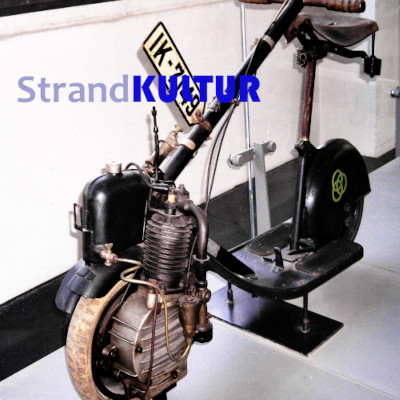
Stock image: Scooter from sales 100 years ago - gasoline powered Imagen simbólica: Scooter de la venta de hace 100 años.. motor de gasolina Symbolbild: Mobilität 2 Rad mit Antrieb - 100 Jahre alt ..
🇭🇺 Magyar: Bringával a strandra?
Az emberek teljesen bicikli nélkül jöttek Európába, a kereket Ázsiában találták fel, a szamarak és más állatok Afrikából vagy Ázsiából származnak, például a ló, vagy talán a póni is.Az európai múzeumokban láthatunk császárokat szamárral vagy öszvérral átkelni a területen, és néhány lovagot is, akkor még nem volt légzsák vagy biztonsági üveg. Csak úgy utaztak Európán át.
Esetleg feltűnt már, hogy a kerékpárt korábban részben „drótszamárnak” hívták?
A kerékpárok főleg Európában és Délkelet-Ázsiában terjedtek el. Vannak olyan területek, ahol egyszerűen túl sok a kerékpár – még Európában sem férne el egy mozi minden biciklis rajongó számára. Fentről nézve egy kerékpár több helyet foglal el, mint bármelyik ember.
Szóval lehet, hogy nem lesz több kerékpárjuk, mire kijönnek a moziból, ami persze drágább lenne, mint egy VIP időpont.
Az Európai Északi Strandnál viszont az adóhatóságok régóta álmodoztak arról, hogy parkolási díjat szedjenek az autóktól (személyautókról, nem teherautókról) – de ez sem működik igazán jól. Teljesen elhagyatott területeken könnyen előfordulhat, hogy csak egy nagyon „átmeneti parkolóhely” jut, amit aztán pénzzel kell feltölteni egy automatát és bevinni a rendszámot egy adatbázisba (EU adatvédelem)?
Az e-roller a tökéletes módja a strand körbejárásának? Nem!
Kerékpárral mennél? Németországban ez nehézkesnek számít, sok helyen rossz szemmel nézik, ráadásul gyakran táblák tömkelege tiltja a használatát – a pékségbe pedig valószínűleg a biciklit sem szabad bevinni. Egyes tengerparti vagy távolabbi vidékeken talán több lehetőség nyílik egy „póni” (kismotor vagy quad) használatára.
A tengerparti kirándulásokhoz a kerékpár egyébként sem mindig a legalkalmasabb eszköz.
Quad használatát sem javasoljuk, mivel a legtöbb mediterrán strandon erre sincs parkolóhely; ha mégis ragaszkodsz hozzá, érdemesebb inkább kölcsönözni egyet – így az egész máris „kalandtúrának” minősül, és a szárazföld belseje felé veheted az irányt.
Európában, a sziklás partokon olykor láthatunk quadon közlekedő strandfelügyelőket. Mindenképpen tájékozódj, hogy számodra engedélyezett-e ez a fajta közlekedés, és hogy szükség van-e bármilyen előzetes útbaigazításra vagy tájékozódásra.
Kerékpárral a strandra? Európa egyes részein népszerűek a kerékpárok, máshol viszont inkább vonattal érkeznek az emberek. Szamarakkal és pónikkal manapság már rendkívül ritkán találkozni. Régen minden tengerparton éltek patás állatok – délen szamarak és öszvérek, északon pedig lovak. Figyeld csak, hátha megpillantasz párat!
Harisnyás Pippi (egy kitalált szereplő) például egy „tengerparti lóval” rendelkezett – egy fekete foltos dán lóval, amely valóságos királyi állatnak tűnt. Izgalmas, nem igaz? Egy kis északi álomvilág, ahol mindenki király vagy királynő lehet. Délen viszont – a helyenként sziklás partvidék miatt – nem tartották őket megfelelőnek.
🇪🇸 Español: ¿En bici a la playa?
La gente llegó a Europa sin bicicletas, la rueda se inventó en Asia, y los burros y otros animales vienen de África o Asia, por ejemplo caballos o incluso ponis.En los museos europeos, puedes ver a emperadores recorriendo la zona en burros o mulas, y también a algunos caballeros—ni siquiera había airbag o pantalla de seguridad. Simplemente recorrían Europa así.
¿Alguna vez has notado que a la bicicleta solían llamarle en parte 'burro de alambre'?
Las bicicletas se han difundido principalmente en Europa y el sudeste asiático. Hay regiones donde simplemente hay demasiadas bicicletas; incluso en Europa, ningún cine podría albergar a todos estos entusiastas de las bicis. Desde arriba, una bicicleta ocupa más espacio que cualquier persona. Así que tal vez ya no tengan bici cuando salgan del cine, lo cual, por supuesto, sería más caro que una cita VIP.
En la Playa Norte de Europa, por otro lado, las autoridades fiscales han soñado durante mucho tiempo con cobrar tarifas de estacionamiento para autos (coches de pasajeros, no camiones), pero eso tampoco funciona muy bien. En áreas completamente remotas, podrías acabar con un “lugar de estacionamiento temporal”, solo para luego tener que meter dinero en una máquina e ingresar tu matrícula en una base de datos (¿protección de datos de la UE)?
¿Son los patinetes eléctricos la manera ideal de moverse por la playa? ¡No!
¿Vas a llevar la bicicleta? En Alemania, esto resulta complicado y, en muchos lugares, está mal visto; a menudo, te encuentras con una saturación de señales que prohíben su uso, y es muy probable que tampoco esté permitido entrar con ella en una panadería. En algunas zonas costeras o en lugares más apartados, quizás sea más factible moverse con un vehículo tipo «pony» (pequeño vehículo motorizado).
Para una excursión a la playa, las bicicletas tampoco suelen ser la mejor opción.
Tampoco recomendamos llegar en un quad, ya que la mayoría de las playas mediterráneas no disponen de aparcamiento para este tipo de vehículos; si acaso, es mejor alquilar uno y realizar una «ruta de aventura» por el interior.
En algunas costas rocosas de Europa, es posible ver a los vigilantes de la playa desplazándose en quad. Asegúrate de comprobar si a ti también se te permite hacerlo y si es necesario recibir algún tipo de orientación o instrucción previa.
¿Ir a la playa en bicicleta? Las bicicletas son populares en algunas partes de Europa, pero en otras zonas la gente prefiere llegar en tren. Hoy en día, es sumamente raro ver burros o ponis. Antiguamente, en todas las costas había animales de pezuña: burros y mulas en el sur, y caballos en el norte. ¡A ver si logras ver alguno!
Pippi Calzaslargas (un personaje de ficción) tenía un caballo de playa —un ejemplar danés con manchas negras— que parecía digno de la realeza. ¡Emocionante, ¿verdad?! Es como un pequeño sueño en el norte: todos se sienten como reyes o reinas. En el sur, en cambio, se consideraba que no eran adecuados, debido a que las costas suelen ser rocosas.
pt Português De bicicleta até a praia?
As pessoas chegaram à Europa sem a menor ideia do que fosse uma bicicleta; a roda foi inventada na Ásia, e animais como o asno — além de outros, a exemplo do cavalo ou talvez até do pônei — tiveram origem na África ou na Ásia.Em museus europeus, é possível encontrar representações de imperadores e cavaleiros atravessando o território montados em asnos ou mulas; naqueles tempos, não existiam airbags nem vidros de segurança. Era, simplesmente, a forma como as pessoas viajavam pela Europa.
Você já reparou que, em certo momento, a bicicleta chegou a ser chamada, em parte, de "asno de arame"?
A bicicleta se espalhou principalmente pela Europa e Sudeste Asiático. Existem regiões onde simplesmente há bicicletas demais – mesmo na Europa, nenhum cinema conseguiria acomodar todos os entusiastas de bicicleta. Uma bicicleta ocupa, vista de cima, mais espaço do que qualquer pessoa.
Talvez eles nem tenham mais bicicleta quando saírem do cinema, o que, claro, acaba saindo mais caro do que um horário VIP.
Na Praia do Norte Europeia, por outro lado, as autoridades financeiras há muito tempo sonham em cobrar estacionamento para carros (apenas carros de passeio, nada de caminhões) – mas isso também não funciona muito bem. Em áreas totalmente isoladas, você pode acabar com um "estacionamento provisório" só para depois ter que colocar dinheiro em uma máquina e cadastrar sua placa num banco de dados (privacidade na UE)?
Será que o patinete elétrico é o meio de transporte ideal para a praia? Não!
Vai levar uma bicicleta? Na Alemanha, isso é considerado complicado e malvisto em muitos lugares; além disso, é comum encontrar um excesso de placas que proíbem o uso da bicicleta em determinados locais — e, certamente, não é permitido entrar com ela em uma padaria. Em algumas regiões litorâneas ou áreas mais remotas, talvez seja possível circular com um quadriciclo.
Para um passeio na praia, bicicletas também costumam não ser a melhor opção.
Não recomendamos chegar de quadriciclo, já que a maioria das praias no Mediterrâneo não oferece estacionamento para esse tipo de veículo. Se quiser muito usar um, o ideal é alugar um quadriciclo para um passeio de aventura pelo interior da região.
Em costas rochosas, na Europa, é possível ver, às vezes, o responsável pela fiscalização da praia utilizando um quadriciclo. Verifique se o uso desse veículo é permitido para você e se é necessário algum tipo de orientação prévia.
Ir à praia de bicicleta? As bicicletas são populares em algumas partes da Europa, mas, em outras regiões, as pessoas preferem chegar de trem. Hoje em dia, é extremamente raro encontrar burros e pôneis. Antigamente, todo litoral contava com a presença de animais de casco — no sul, burros e mulas; no norte, cavalos. Tente ver se você encontra algum.
Pippi Meialonga (personagem de ficção) tinha um cavalo de praia — um cavalo dinamarquês de praia com manchas pretas, que parecia algo digno da realeza. Emocionante, não é? Um pequeno sonho no norte, onde todos se sentem como reis ou rainhas. Já no sul, esses animais eram considerados inadequados, devido ao litoral, que, por vezes, é rochoso.
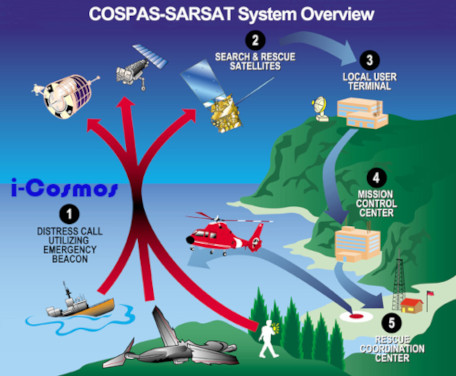
Imagen simbólica: Temas GPS NAVSTAR y COSPAS-SARSAT (Rescure emergency beacon) .. Symbolbild: Urlaubsthemen am Planet Erde ..